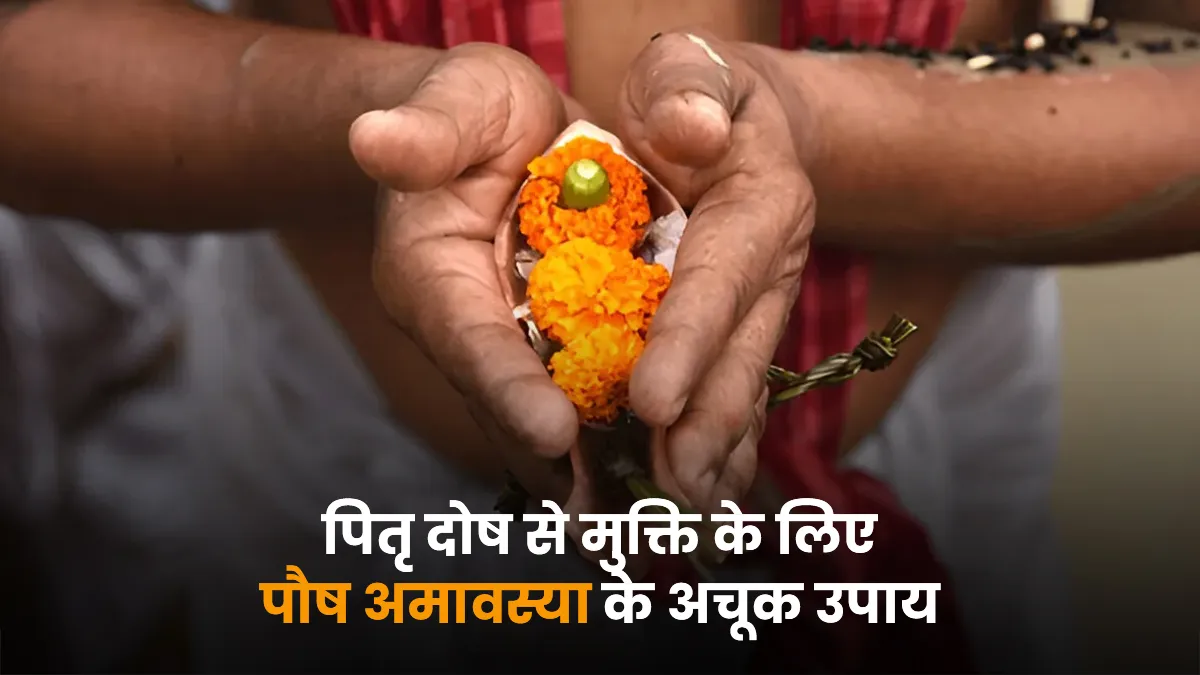
In the Hindu calendar, the Paush Amavasya, falling on December 19th this year, holds great spiritual significance. This day is particularly dedicated to honoring ancestors and is believed to be an auspicious time for worshiping the Sun God, which is said to yield remarkable benefits. Devotees engage in various rituals, including bathing in holy rivers and performing Tarpan, Shraddha, and acts of charity to ensure peace for their departed loved ones. These practices are believed to eliminate Pitra Dosh, a term used to describe ancestral curses or afflictions, while also ushering prosperity and happiness into the family. Astrologer Radhakant Vats from Vrindavan emphasizes that specific rituals on this day can alleviate Pitra Dosh, guiding practitioners toward a more harmonious existence.
Essential Rituals on Paush Amavasya
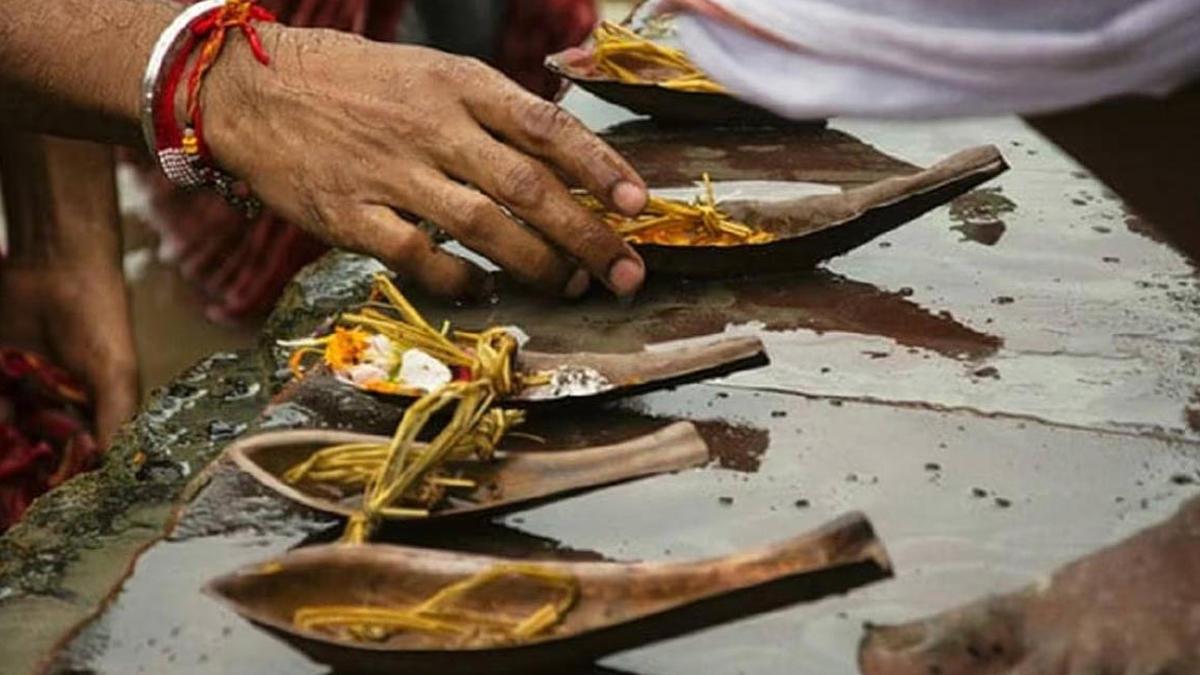
The foremost and most effective method for removing Pitra Dosh is through a holy bath and Tarpan ritual. It is recommended that individuals take a dip in any sacred river or lake on Paush Amavasya. For those unable to access such locations, mixing Ganga water with their bath water at home serves as a suitable alternative. Following the bath, stand facing the south direction, gather water in your palms, and mix in black sesame seeds. As you release the water onto the ground, chant the mantra, ‘Om Pitribhyo Namah’. This act of Tarpan serves to appease the ancestors, allowing them to find satisfaction and bestow their blessings upon you.

Worship the Peepal Tree on Paush Amavasya
The Peepal tree is considered sacred, believed to be the abode of various deities and ancestors. To alleviate Pitra Dosh, lighting a lamp near the Peepal tree on the evening of Paush Amavasya is highly recommended, preferably using mustard oil for the lamp. After lighting the lamp, it is customary to walk around the tree at least seven times while folding your hands in a gesture of respect and asking for forgiveness from your ancestors for any past mistakes. In the absence of a Peepal tree, you can light a lamp at your home altar while keeping your ancestors in your thoughts.
Also read: Discover the most powerful mantra of Shri Krishna, known to show results within 21 days, as explained by Premanand Maharaj ji.
Acts of Charity on Paush Amavasya
Charity is another vital aspect of the Paush Amavasya rituals. By donating food and clothing, individuals can bring peace to their ancestors’ souls and rectify astrological flaws. Common donations include staples like wheat and rice, along with warm garments such as blankets or shawls, aimed at helping the needy. Inviting a Brahmin to your home for a meal, serving them with respect, and providing Dakshina (a token of gratitude) is also recommended. It is important that such donations are made discreetly and with genuine reverence, as they directly contribute to the happiness and peace of your ancestors.
Feeding Sacred Animals on Paush Amavasya
In Hindu tradition, certain animals are viewed as symbols of ancestors. On Amavasya, it is customary to feed a cow, dog, and crows. For the cow, offering green grass or flour balls is encouraged, while the dog can be fed sweet bread or biscuits. Importantly, placing small portions of kheer or roti on the roof of your house or in an open area for crows is believed to be especially significant. It is said that when crows consume this food, it reaches the ancestors, helping to mitigate issues related to Pitra Dosh.
Also read: Uncover the reason why Lord Shiva adorns himself with a snake around his neck; a mystery that many remain unaware of.
Worshiping the Sun God on Paush Amavasya
The month of Paush is regarded as the period dedicated to the Sun God. On Paush Amavasya, at sunrise, it is auspicious to fill a copper pot with water, incorporating a bit of red sandalwood and red flowers as offerings to the Sun. During this offering, known as Arghya, reciting the mantra ‘Om Ghrini Suryay Namah’ is paramount. Worshiping the Sun God not only provides relief to ancestors but also grants the devotee strength, health, and enhanced self-confidence through divine grace.
If you found this article insightful, please share it with others. For more enlightening stories and rituals, stay connected with Harzindagi.
Image credits: Herzindagi