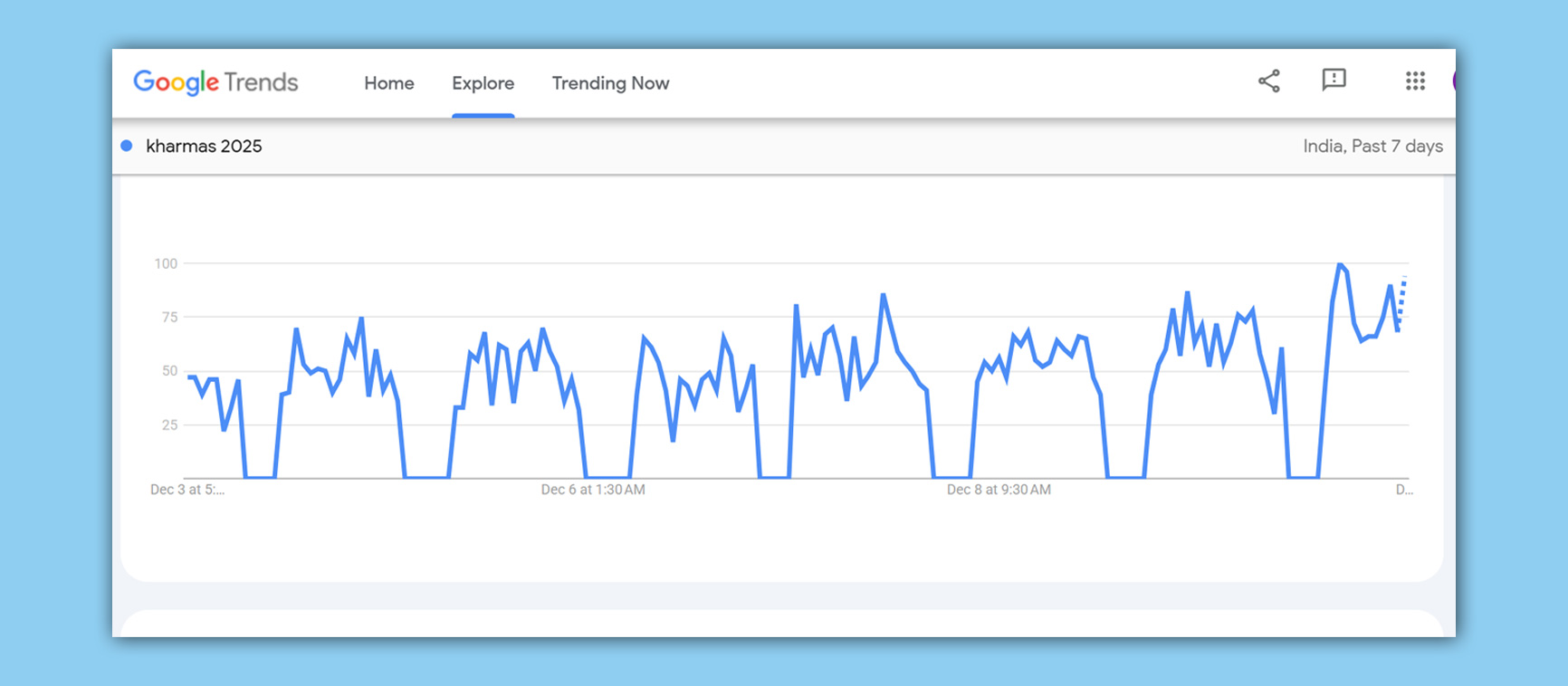
In the Hindu calendar, the period known as Kharmas marks a significant transition, occurring when the Sun enters the zodiac sign of Sagittarius. This phase takes place twice a year, each lasting approximately one month. During this time, traditional beliefs dictate that auspicious activities should be avoided, leading many to focus instead on worship and spiritual practices. Primarily, the deities Suryadev (the Sun God) and Lord Vishnu are venerated during this period. For the year 2025, Kharmas is set to commence in December and will conclude in January, accompanied by a myriad of rituals and guidelines that practitioners are encouraged to follow closely. Many devotees often find themselves pondering questions related to this time, such as the reasons behind the prohibition of auspicious tasks and why it is deemed inappropriate to embark on new ventures during Kharmas. Notably, a surge of inquiries regarding Kharmas has been observed on Google Trends, indicating a growing interest in understanding this unique aspect of Hindu tradition. To shed light on these queries, we consulted renowned astrologer Pandit Ramesh Bhojraj Dwivedi for insights into this year’s Kharmas celebrations and its associated customs.
Duration of Kharmas in 2025
Kharmas is traditionally believed to commence every year when the Sun transitions into either Sagittarius or Pisces, indicating that this period occurs twice annually. The upcoming Kharmas will kick off towards the end of this year, beginning on December 16, 2025, and lasting until January 14, 2026. This period coincides with the festival of Makar Sankranti when the Sun shifts from Sagittarius to Capricorn, marking the end of Kharmas and the resumption of auspicious activities.
- The start date of Kharmas is December 16, 2025, which falls on a Tuesday, coinciding with the Sun’s entry into Sagittarius.
- Kharmas concludes on January 14, 2026, also a Tuesday, marking Makar Sankranti when the Sun transitions into Capricorn.
Understanding the Prohibition of Auspicious Works During Kharmas
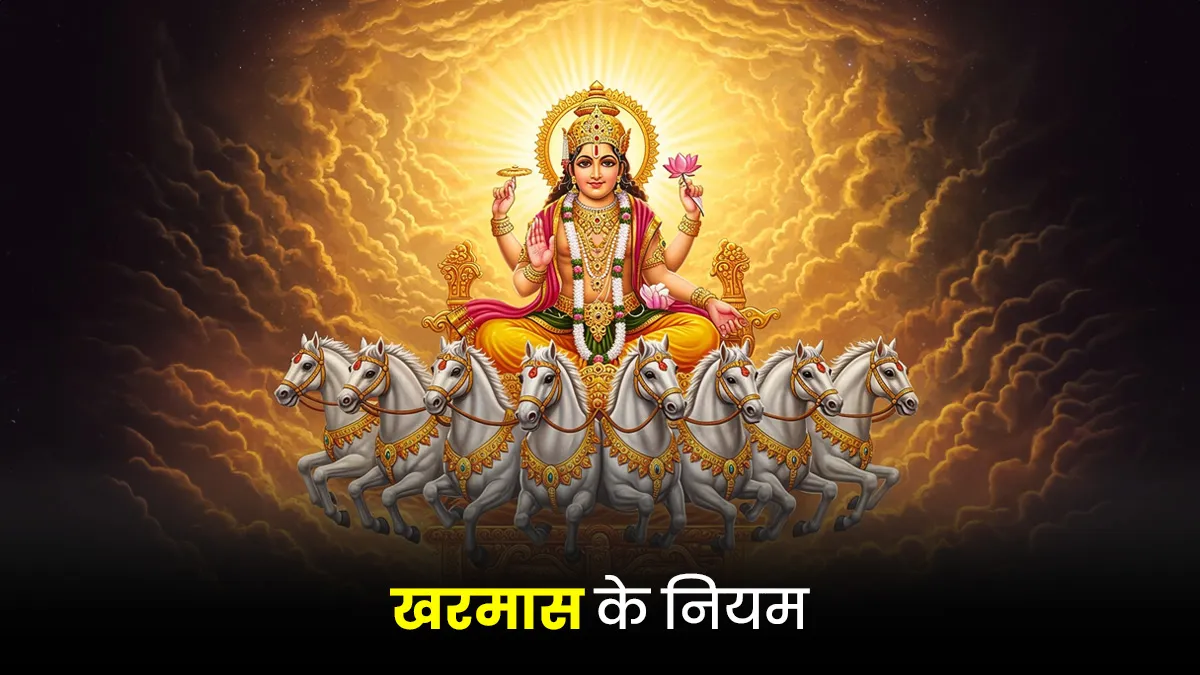
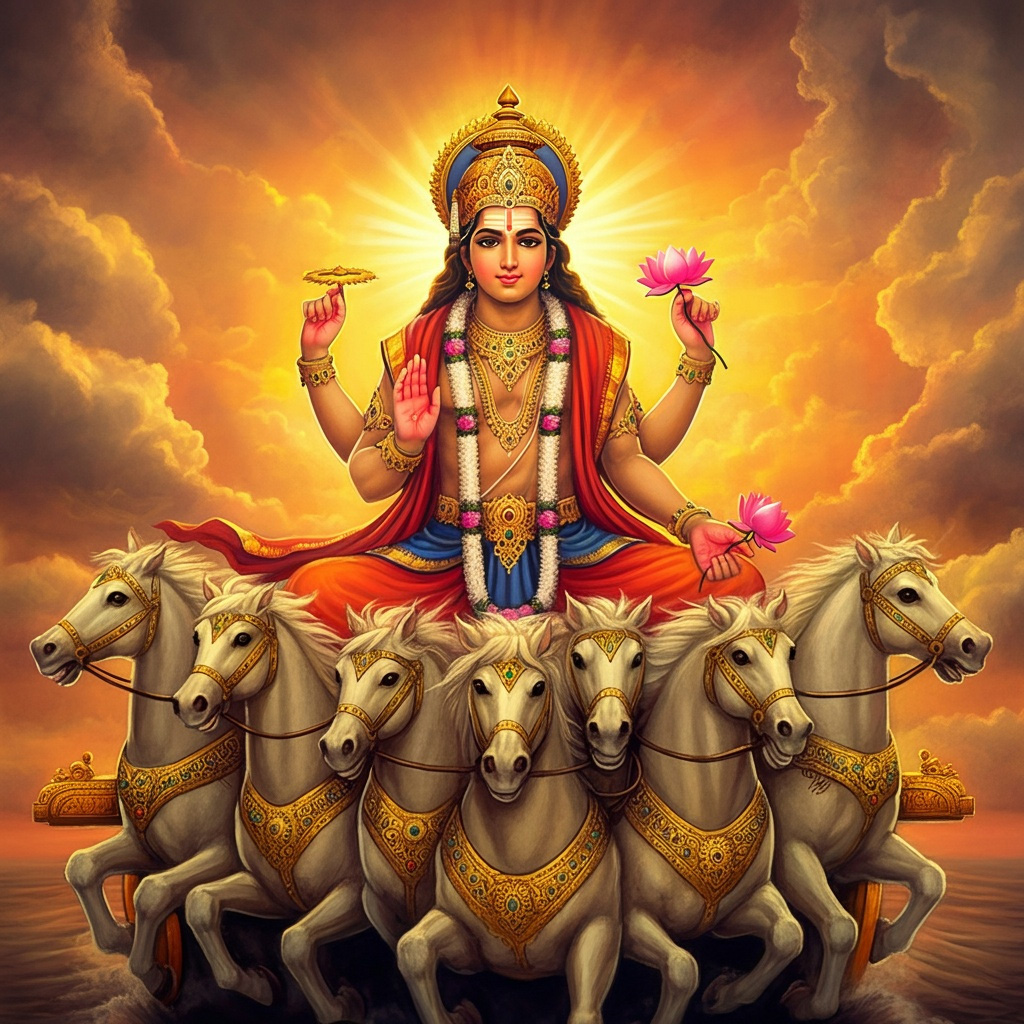
According to Hindu mythology, Suryadev travels across the universe in a chariot pulled by seven horses. It’s believed that after a period of continuous travel, these horses become fatigued and thirsty. Observing their plight, Suryadev takes them to a pond for rest, temporarily replacing them with donkeys to maintain the journey. This switch results in a slower pace for the Sun’s chariot, symbolizing a phase of diminished brightness. As a result, this month-long period—referred to as Kharmas—is considered inauspicious for initiating new ventures or conducting significant rituals, as the Sun’s energy is believed to be at a low point. Once the horses recover and are restored to the chariot, the Sun resumes its vigorous journey, allowing auspicious works to recommence.

Activities to Avoid During Kharmas
Given the belief that the Sun’s energy significantly diminishes during Kharmas, practitioners are advised to refrain from engaging in any auspicious activities throughout this month. Here are some key actions to avoid:
- Rituals such as marriages, housewarming ceremonies, naming ceremonies, and sacred thread ceremonies should be postponed.
- Excessive spending, indulgence, ostentation, and travel are discouraged during this period.
- Negative behaviors such as anger, discord, deception, and lies should be minimized.
- Consumption of tamasic foods and indulgent habits should be avoided.
Auspicious Activities Recommended During Kharmas
Despite the restrictions, certain actions are believed to yield positive outcomes during Kharmas. Engaging in these activities is thought to bring blessings throughout the year:
- The entire duration of Kharmas is seen as a time for religious observances, self-restraint, and spiritual practices, with good deeds performed during this month believed to carry immense virtue.
- Chanting mantras such as ‘Om Namo Bhagwate Vasudevay’ or ‘Shri Hari Vishnu’ daily is deemed highly beneficial. Additionally, worshiping Suryadev and reciting Sun-related mantras is encouraged.
- Fasting once a week on Sundays is considered very fruitful, along with reading sacred texts like the Geeta and Ramayana.
- Reciting the Shrimad Bhagwat Mahapuran and Shrimad Bhagwat Geeta is believed to purify the soul.
- Demonstrating compassion towards the needy, elderly, and animals is especially virtuous during this period.
Essential Rules to Follow During Kharmas
Adhering to specific guidelines during Kharmas can foster positive changes in one’s life. Here are some recommended practices:

Devotees should regularly offer water to the Sun God using a copper pot during the entire period of Kharmas. It is advised to wake up before sunrise, take a bath, preferably in a holy river, and then perform this offering.
Engaging in prayer at Brahma Muhurta and consistently performing puja is deemed highly auspicious. Additionally, worshiping Lord Hanuman during this time is encouraged.
Charitable Acts During Kharmas
Charity holds special significance during Kharmas, as donating to those in need is believed to be extremely auspicious. Offering food items such as moong dal, masoor dal, and jaggery during this period is thought to usher in the blessings of the Sun God and alleviate life’s obstacles.
Recommended Remedies for Prosperity During Kharmas
To ensure a prosperous and harmonious home during Kharmas, consider implementing some of these remedies:
Feeding Brahmins
Hosting a Brahmin feast during Kharmas is regarded as highly auspicious, believed to not only please ancestors but also maintain household prosperity. Offering food to Brahmins is said to wash away sins and remove obstacles from life.
Regular Offerings to the Sun
Consistently offering Arghya to the Sun, especially on Sundays, can yield fruitful results. Adding a pinch of roli and red flowers to the water enhances the offering, thus pleasing the Sun God and ensuring a stable financial situation.
Reciting Vishnu Sahasranama
Regular recitation of the Vishnu Sahasranama during Kharmas is believed to maintain Lord Vishnu’s blessings, fostering peace of mind and a serene home environment.
Lighting a Lamp in the East
Lighting a ghee lamp in the east direction of the house during Kharmas is considered highly auspicious. This practice not only generates positive energy but also helps in dispelling negativity from the home.
Significance of Kharmas
Astrologically, Kharmas begins with the Sun’s entry into Sagittarius or Pisces, a period marked by instability as the Sun is not believed to be in its optimal position. This instability serves as a spiritual prompt for devotees to exercise self-control and reflect on their inner tendencies. Scriptures suggest that during Kharmas, Lord Vishnu embodies the spirit of asceticism, encouraging devotees to fast, chant, meditate, and engage in virtuous actions. Ultimately, Kharmas serves as a reminder not only to seek material comforts but also to prioritize inner peace, devotion to God, and the overarching purpose of human life.
By observing the guidelines and recommendations outlined during Kharmas, individuals can cultivate a life filled with happiness and prosperity. If you found this article insightful, please share it. For more such informative content, stay connected with Harzindagi.
Images-Courtesy of Shutterstock.com