The rituals associated with a Hindu wedding carry profound significance and are steeped in tradition. These ceremonies commence with the Roka or Variksha, marking the formal engagement, and continue until the bride departs from her parental home to join her husband’s family. Among the various customs observed during these nuptials, the marriage ceremony itself holds a pivotal place. It is during this significant event that the groom takes the bride’s hand, symbolizing their union. Despite regional and sectarian variations, there are certain rituals universally recognized as essential for the legitimacy of the marriage, and one such crucial ritual is the Paanigrahan Sanskar.
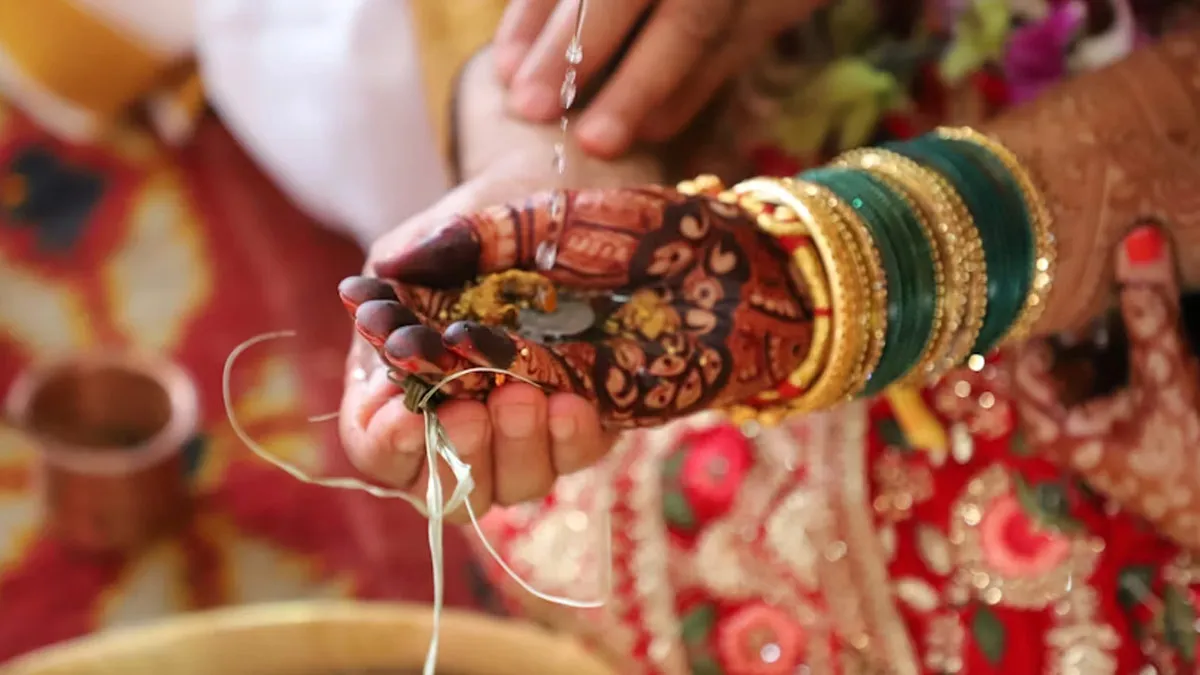
Typically, a Hindu wedding encompasses four primary rituals, each imbued with distinct meanings. The central components of the marriage ceremony include Kanyadaan, which is the giving away of the bride, Vivah Homa, involving a sacred fire sacrifice, and Panigrahan, where the groom takes the bride’s right hand and water is poured into it, symbolizing their union and the sanctity of their vows. To gain deeper insights into these rituals, we turn to esteemed astrologer Pandit Ramesh Bhojraj Dwivedi, who elaborates on the significance of the marriage ceremony.
Understanding the Ritual of Paanigrahan
Paanigrahan is regarded as one of the most sacred and vital rituals within a Hindu marriage ceremony. This ritual unfolds with the groom positioning himself to face the west, while the bride sits before him, oriented towards the east. This specific arrangement is not merely incidental; it symbolizes a balance of energies and adheres to traditional beliefs. As the ceremony progresses, the Pandit begins to chant Vedic mantras, imparting a spiritual ambiance to the occasion. At this juncture, he takes the bride’s right hand and places it in the groom’s grasp. This moment is often referred to as the “eclipse,” a term that encapsulates the profound significance of this act.
In this cherished moment, the groom firmly holds the bride’s hand, making a solemn vow to be her companion throughout life’s journey, through both joyous and challenging times. He pledges to protect her and to treat her with utmost respect. This exchange of vows signifies not just the physical act of holding hands but embodies a deeper commitment to a shared life filled with love, trust, and mutual responsibility.
The Significance of Water in the Ceremony
The term Paani translates to hand, while Grahan means accepting or receiving. This marriage ceremony is a moment of great importance in Hindu culture, as it represents the profound union of two individuals in front of the sacred fire—a symbol of divine presence. The act of the groom taking the bride’s hand signifies a deep commitment to a lifelong partnership. It is more than just a gesture; it is a solemn promise to uphold responsibilities, nurture love, and foster respect and trust between the couple.
Through the ritual of Panigrahan, both partners express their dedication to remaining side by side, sharing in each other’s joys and sorrows, and supporting one another in fulfilling their roles within the family and society at large. This moment is not just about the couple’s bond; it reflects their collective commitment to creating a harmonious home and nurturing relationships with their families.
The Importance of the Marriage Ceremony
Among the myriad rituals that constitute a Hindu wedding, the marriage ceremony holds a paramount position. Its significance extends far beyond the immediate event; it plays a vital role in ensuring the happiness and longevity of the couple’s married life. This sacred ritual serves as a foundation upon which the couple builds their future together, fostering a relationship rooted in mutual respect and love.
As the couple embarks on this profound journey together, the memories created during the marriage ceremony often resonate throughout their lives. The promises made during this time serve as guiding principles, helping them navigate the challenges and joys that lay ahead. If you found this exploration of Hindu wedding rituals enlightening, consider sharing it with others who may also appreciate the depth and beauty of these traditions. For more articles on similar topics, stay connected with Harzindagi.
Images: Shutterstock.com