Understanding the Significance of Makar Sankranti
Makar Sankranti, a significant festival celebrated across India, marks the transition of the sun into the zodiac sign of Capricorn (Makar). This event typically occurs between January 14 and January 15 each year, signifying the end of winter solstice and the beginning of longer days. The festival is deeply rooted in agricultural traditions and is celebrated with various rituals and customs that vary from region to region. It not only holds spiritual significance but also brings communities together to celebrate the harvest season.
The Makar Sankranti Calendar: Dates and Observances
The Makar Sankranti calendar is essential for those who wish to observe this festival with the appropriate rituals. In 2024, Makar Sankranti will be celebrated on January 14. The date is fixed based on the solar calendar, making it one of the few Indian festivals that occur on the same date every year. The festival is celebrated with various regional variations, each adding its own unique touch to the festivities.
- January 14, 2024: Makar Sankranti
- January 14, 2025: Makar Sankranti
- January 14, 2026: Makar Sankranti
Regional Celebrations and Traditions
Across India, Makar Sankranti is celebrated in diverse ways, reflecting the cultural richness of the country. In Gujarat and Maharashtra, the festival is synonymous with flying kites, where friends and families gather to compete in kite-flying competitions. The skies are filled with colorful kites, creating a festive atmosphere. In Punjab, the celebration is known as Lohri, where people light bonfires, dance, and sing folk songs to celebrate the harvest of sugarcane.
In southern parts of India, such as Tamil Nadu, the festival is celebrated as Pongal. This involves cooking a special dish called Pongal, made from freshly harvested rice, and offering it to the sun. The celebration includes decoration of homes with colorful rangoli and the preparation of traditional sweets. Each region’s unique customs contribute to the festival’s overall vibrancy and significance.
The Spiritual Aspect of Makar Sankranti
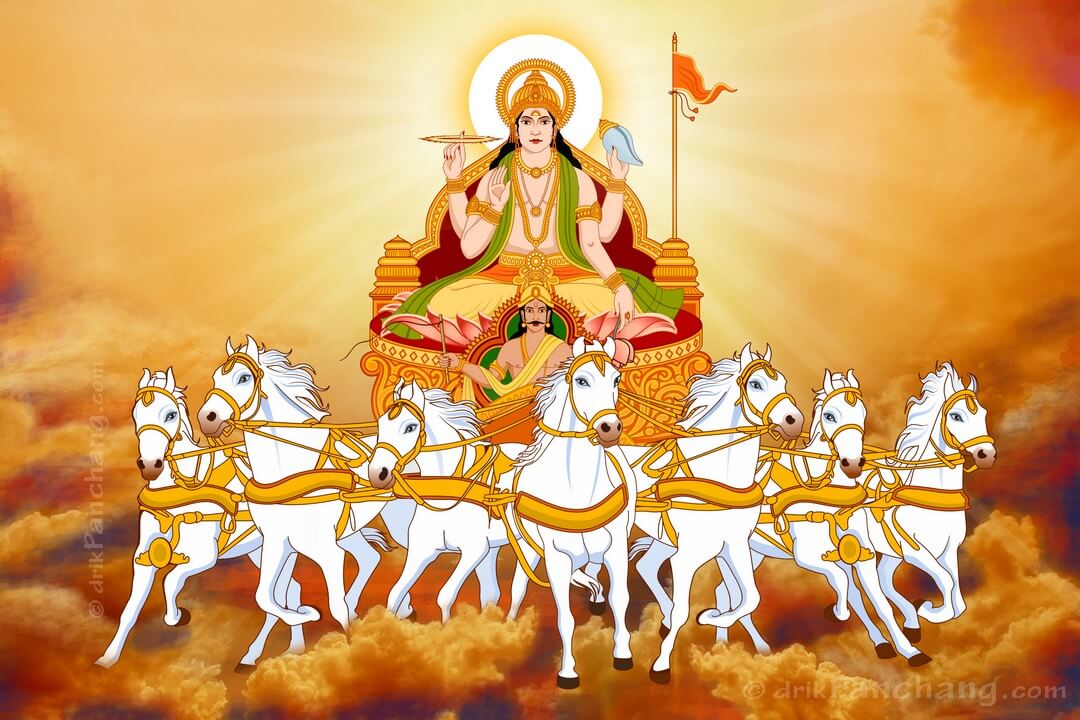
Beyond the festivities, Makar Sankranti holds significant spiritual meaning for many. Hindus believe that taking a holy dip in rivers like the Ganges, Yamuna, or Godavari during this time purifies the soul and brings blessings. It is a time for reflection, gratitude towards nature, and the sun, which is considered a symbol of strength and health. Many devotees perform rituals to honor the sun god, Surya, seeking prosperity and good fortune in the coming year.
Makar Sankranti: A Time for Community and Togetherness
The festival is also an opportunity for families and communities to come together. People prepare and share traditional sweets made from sesame seeds, jaggery, and rice, reinforcing bonds of friendship and love. This spirit of togetherness is central to the celebration, as it encourages people to forget their differences and celebrate the unity in diversity that India represents.
Conclusion: Embracing the Essence of Makar Sankranti
Makar Sankranti is more than just a festival; it is a celebration of life, nature, and community. As people across India prepare for this joyous occasion, the underlying themes of gratitude, unity, and harmony resonate deeply. Whether through kite flying, bonfires, or traditional foods, the festival serves as a reminder of the rich cultural heritage that binds the nation together. As the sun transitions into Capricorn, may it bring warmth, prosperity, and joy to everyone celebrating Makar Sankranti.