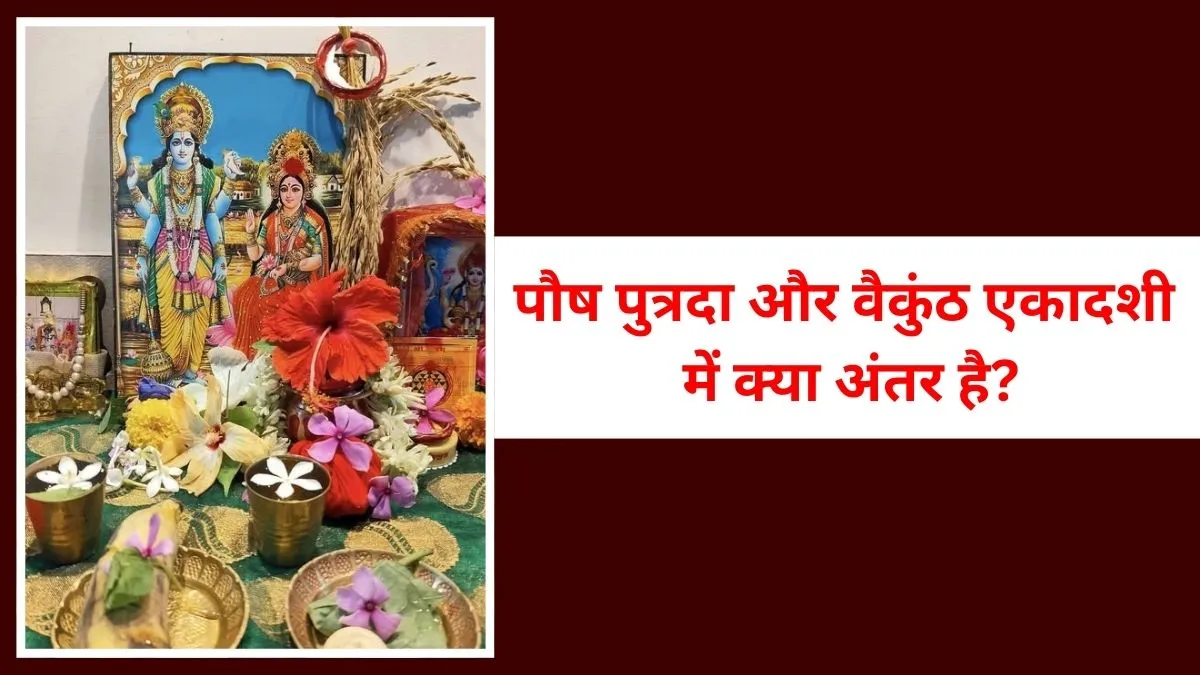
The Hindu festival of Ekadashi holds significant importance, particularly as it is dedicated to Lord Vishnu. According to the Panchang, the Hindu lunar calendar, there are a total of 24 Ekadashi dates celebrated throughout the year. Among these, two notable ones are Putrada Ekadashi and Vaikuntha Ekadashi, both of which occur during the month of Pausha. Although they coincide on the same day, many devotees often confuse the two despite their distinct meanings and significance. To gain a clearer understanding of these two sacred observances, let us delve deeper into their differences and significance, as explained by Astrologer Radhakant Vats of Vrindavan.
Distinct Outcomes of Putrada and Vaikuntha Ekadashi
The term ‘Putrada’ translates to ‘one who gives a son or child.’ This particular Ekadashi is especially meaningful for couples who are experiencing difficulties in conceiving. The primary aim of Putrada Ekadashi is to seek the blessings that ensure child happiness and the long life of children in the family. Devotees believe that fasting on this day not only brings them closer to their desires of parenthood but also enhances the overall wellbeing of their family.
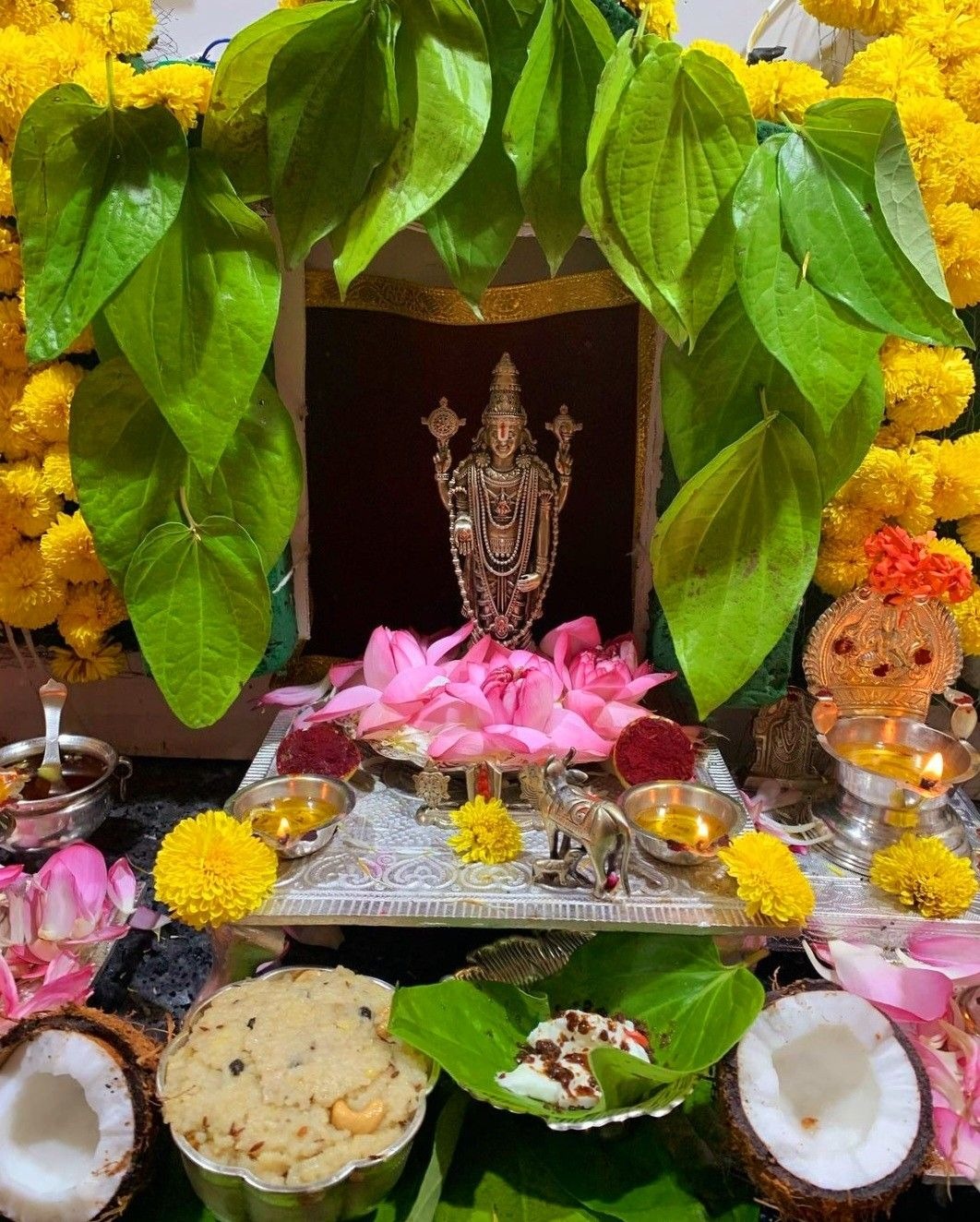
On the other hand, the essence of Vaikuntha Ekadashi revolves around the quest for ‘Moksha’, or liberation. Fasting on this auspicious day is believed to grant individuals a direct passage to ‘Vaikuntha’, the exalted abode of Lord Vishnu. This practice is highly regarded for its potential to relieve devotees of their sins and facilitate their spiritual advancement.
Also read: Paush Putrada Ekadashi Upay 2025: On the day of Paush Putrada Ekadashi, Lord Vishnu will grant the boon of having a child; just follow these remedies.
Differences in Date and Timing of Putrada and Vaikuntha Ekadashi
Paush Putrada Ekadashi is celebrated annually on the eleventh day of the Shukla Paksha (waxing phase of the moon) in the month of Pausha. Typically, this festival falls in December or January. Conversely, in South India, Vaikuntha Ekadashi is also referred to as ‘Mukkoti Ekadashi’. This festival is celebrated during the month of Sagittarius, commencing from the Dashami Tithi (tenth day). Although both observances may occur around the same time, the date for Vaikuntha Ekadashi is determined by the Sun’s entry into the Sagittarius zodiac sign.
Religious Traditions Associated with Putrada and Vaikuntha Ekadashi
On Vaikuntha Ekadashi, a significant religious event takes place as the ‘Vaikuntha Dwar’ (door) is opened in various temples across South India, including the renowned Rangji temple in Vrindavan. It is believed that devotees who pass through this sacred gate on this day are granted a special audience with God and receive divine blessings. This tradition underscores the spiritual significance of the day, as it symbolizes an opening to heavenly realms.
In contrast, Putrada Ekadashi is characterized by the special worship of Lord Krishna in his ‘Bal Gopal’ or ‘Laddu Gopal’ form. On this day, both husband and wife come together to participate in the fasting ritual, often listening to a unique narrative that pertains to their desire for children. This shared devotional practice enhances the spiritual bond between couples and solidifies their commitment to seeking divine blessings for parenthood.
Also read: Vaikunth Ekadashi Date 2025: Discover when Vaikunth Ekadashi is celebrated and learn about its auspicious timing and significance.
Mythological Narratives of Putrada and Vaikuntha Ekadashi
The tale behind Putrada Ekadashi centers around King Suketuman, who experienced profound sorrow due to his inability to have a child. His journey led him to the forest, where he encountered sages who enlightened him about the virtues of observing this sacred fast. The story encapsulates themes of hope and divine intervention, reinforcing the belief that unwavering faith can lead to fulfilling one’s deepest desires.
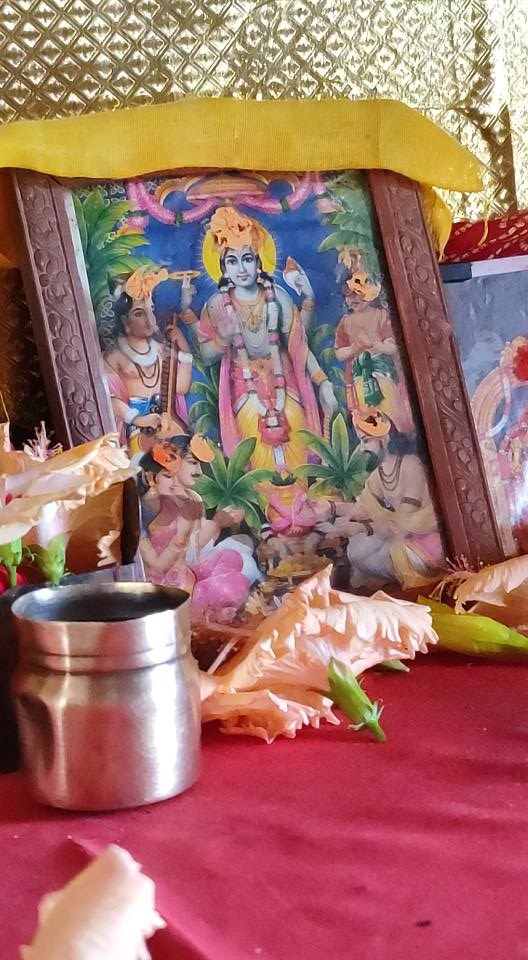
On the other hand, the narrative of Vaikuntha Ekadashi relates to the defeat of the demon Mur, showcasing the might of Lord Vishnu. The divine intervention of Vishnu on this auspicious day is said to grant liberation, further emphasizing the significance of the fast. The connection between the demon’s defeat and the granting of salvation highlights the transformative power of faith and devotion.
In conclusion, while Putrada and Vaikuntha Ekadashi share a common date, their meanings, practices, and mythological backgrounds are distinct. Each observance offers unique spiritual benefits, and understanding these differences enriches the experience for devotees. If you found this article insightful, please share it with others. For more captivating stories and insights, stay connected to Harzindagi.
Image credit: Herzindagi